
Safety in healthy adults
Eight healthy adults breathed 2.4% hydrogen in air through a nasal tube in hospital for 24 to 72 hours. No clinically significant adverse events were seen. Cole et al. 2021
Research
It depends on what you mean by work. Hydrogen inhalation has been studied in people, mostly in small hospital studies in Japan and elsewhere, and safety has looked good. But no studies show that inhaling at home produces a particular health effect. The research is promising, and it is not enough for promises.
What has been studied
A selection of the studies most often cited, with what they actually did. The links go to the summary on PubMed.
Eight healthy adults breathed 2.4% hydrogen in air through a nasal tube in hospital for 24 to 72 hours. No clinically significant adverse events were seen. Cole et al. 2021
37 people with raised values on one oxidative stress measure had a single inhalation session. Their values fell compared with a control group that received no placebo. Chair et al. 2024
73 intensive care patients received oxygen with 2% hydrogen or oxygen alone for 18 hours. The trial was stopped early and the researchers call for larger studies. HYBRID II, 2023
65 patients breathed hydrogen or air in addition to standard drug treatment. One of several measures differed in favour of the hydrogen group. Okada et al. 2022
A meta-analysis of six studies with 76 participants, where hydrogen was given as water, a bath or gas. No difference in oxidative stress, a small difference in antioxidant capacity. Li et al. 2024
A review from Oslo went through 81 clinical trials and 64 published human studies. Two of the authors are inventors on a patent application in the field, which they disclose. Johnsen et al. 2023
So far
In the studies available, hydrogen at low concentrations has not caused serious side effects. A few small studies have reported differences in measured values, often in hospital patients, at other concentrations and for far longer than a session at home. It is a real field of research. What is not yet established:
Check for yourself
Our position
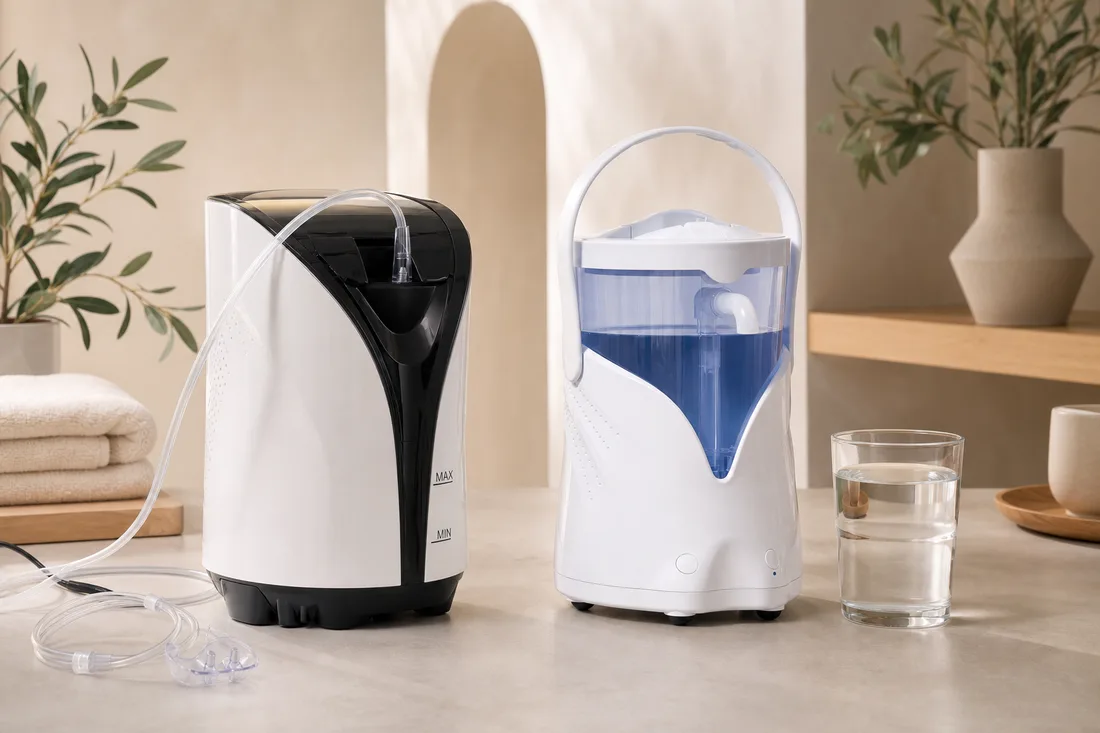
We sell the Lita Air hydrogen inhaler as a daily wellness routine, and we promise no effect. We link to the studies so you can read them yourself, and we describe the device by what can be checked: approx. 100 ml/min gas output, approx. 3-4% hydrogen, titanium PEM, distilled water and sessions of 15-60 minutes.
If you want to try it at home, you have a 30-day return right from delivery. If you would rather try it first, you can join the trial list for a session on Kungsholmen. More studies are on our page about molecular hydrogen research, and safety is covered in safety and side effects.
Questions and answers
Hydrogen inhalation has been studied in people, mostly in small hospital studies. Safety has looked good at the concentrations used, and some studies have reported differences in measured values. But no studies show that inhaling at home produces a particular health effect, and hydrogen is not approved as a treatment in the EU.
Yes. A 2023 review went through 81 registered clinical trials and 64 published human studies with hydrogen. Most are small, many involve hospital patients, and concentration, duration and method vary between studies.
The technology is real: an inhaler makes hydrogen from water by electrolysis, and what it delivers can be measured. What often does not hold up is the promises. Be sceptical of sellers who promise cures or cite animal studies as if they applied to you.
There is no test that measures it at home. Judge it as a routine: whether the session fits into your day and feels worth the time. If you have a medical condition or take medication, talk to your doctor before you start.
Published studies at low concentrations have reported no serious side effects. In one study, eight healthy adults breathed 2.4 per cent hydrogen for up to 72 hours with no clinically significant adverse events. The studies are small, so that does not mean side effects are ruled out.
Next step
Order Lita Air and use it at home with a 30-day return right, or join the list for a guided trial session in Stockholm. We email dates once a few people have signed up.